How to Clean Solar Panels at Home: The Complete DIY Guide
Keep your solar panels working at their best with safe, simple cleaning steps any homeowner can follow.
Did you know that dirty solar panels can lose between 15% and 25% of their energy output? If your energy bills haven't dropped as much as expected since going solar, your panels might just need a good wash.
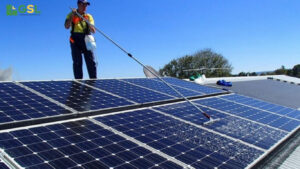
Learning how to clean solar panels at home is one of the simplest, most cost-effective things you can do for your renewable energy investment. Whether you have rooftop solar panels or ground-mounted arrays, regular solar panel maintenance ensures you're capturing every photon of sunlight and converting it into maximum electricity.
In this complete solar panel care guide, we'll walk you through everything, from the best tools to use, to a safe step-by-step cleaning process, to expert tips that professionals use. Yes, you can clean solar panels yourself, and this guide shows you exactly how.
How Often Should Solar Panels Be Cleaned?
One of the most common questions homeowners ask is: how often should solar panels be cleaned? The short answer: it depends on your environment. But a good rule of thumb for most residential solar panel owners is 2 to 4 times per year.
| Environment / Condition | Recommended Frequency | Main Contaminants |
|---|---|---|
| 🌧 Rainy, temperate climate | 1 to 2 times per year | Dust, algae, leaf debris |
| 🏜 Dry, dusty or desert area | Every 1 to 2 months | Sand, dust, smog |
| 🌳 Near trees / high pollen | Every 2 to 3 months | Pollen, sap, bird droppings |
| 🏭 Near industrial zones | Monthly | Soot, chemical film, exhaust |
| 🏖 Coastal / salty air | Every 2 months | Salt deposits, moisture |
Best Tools for Solar Panel Cleaning
The right equipment makes DIY solar panel cleaning safe, easy, and effective, without risking scratches or panel damage. Here's what you'll need for the best way to clean solar panels:
Soft-Bristle Brush
Long-handled, non-abrasive brush specifically designed for solar panel washing.
Garden Hose + Nozzle
Low-pressure spray to rinse panels. Avoid high-pressure jet washers.
Mild Soap Solution
A few drops of dish soap in water. No harsh chemicals or abrasives.
Squeegee / Microfiber Cloth
For streak-free drying without leaving residue on the glass surface.
Extension Pole
Reach rooftop solar panels safely from the ground, no ladder needed.
Deionized Water (optional)
Prevents mineral deposits and water spots, especially in hard-water areas.
What Is the Best Cleaner for Solar Panels?
The best cleaner for solar panels is simply clean water with a small amount of mild, biodegradable dish soap. Avoid ammonia-based cleaners, abrasive scrubs, or anything with harsh chemicals, these can degrade the anti-reflective coating on your panels over time.
For a simple homemade solar panel cleaning solution: mix 1 teaspoon of dish soap into 1 gallon of lukewarm water. That's truly all you need for effective residential solar panel cleaning.
Safety Precautions Before You Start
Cleaning solar panels safely is non-negotiable, especially for rooftop solar panel cleaning. Follow these precautions every single time:
- Turn off your solar system before cleaning. Check your inverter manual for shutdown procedures.
- Never clean on a hot, sunny day. Cold water on hot panels can cause thermal shock and micro-cracks. Clean early morning or late afternoon.
- Never use a pressure washer. High-pressure water can force moisture under panel frames and damage seals.
- Don't walk on panels. They are not weight-bearing surfaces and will crack.
- Use fall protection if you must access the roof. Better yet, clean from the ground with an extension pole.
- Check for voided warranties, some manufacturers have specific cleaning guidelines. Review your panel warranty before proceeding.
Step-by-Step: How to Clean Solar Panels at Home
Ready to get started? Follow this DIY solar panel cleaning process for optimal results and maximum solar panel efficiency:
-
1
Check the Weather & Schedule Your Cleaning
Pick a cool, overcast morning or early evening. Avoid midday heat. Mild temperatures prevent rapid evaporation, which causes mineral streaking on the panel glass.
-
2
Shut Down Your Solar System
Follow your manufacturer's or installer's guidance for safely powering down the system. Most modern inverters have a clear shutdown procedure on the unit itself.
-
3
Do a Dry Pre-Sweep (Optional but Recommended)
Use a soft brush or dry microfiber cloth to gently brush away loose debris, leaves, dry bird droppings, and large dust clumps, before adding water. This prevents scratching.
-
4
Apply Your Cleaning Solution
Dip your soft-bristle brush into your mild soapy water solution. Gently scrub the surface of each panel using circular or side-to-side strokes. Never scrub aggressively, solar glass is durable but the anti-reflective coating is sensitive.
-
5
Rinse Thoroughly with Clean Water
Use a garden hose on low pressure to rinse off the soapy residue completely. Work from top to bottom so dirty water flows downward. Ensure no soap streaks remain, as these reduce efficiency too.
-
6
Dry & Inspect
Use a clean squeegee or microfiber cloth to remove excess water and prevent mineral deposits (especially important in hard-water areas). Inspect panels visually for cracks, discoloration, or damage while you're at it.
-
7
Restart Your System & Monitor Output
Power your solar system back on and check your inverter's production data over the next day. You should see a noticeable improvement in your solar panel efficiency if the panels were significantly dirty.
Common Solar Panel Cleaning Mistakes to Avoid
Even well-intentioned homeowners make these errors. Avoid them to protect your investment and maintain solar panel efficiency:
-
✗
Using abrasive scrubbers or steel wool, these scratch the glass surface permanently, increasing light scattering and reducing output.
-
✗
Cleaning in direct midday sun, the water evaporates too fast, leaving mineral deposits and soap streaks that are harder to remove than dirt.
-
✗
Using a pressure washer, the force can damage panel frames, seals, and wiring, voiding your warranty and potentially causing water ingress.
-
✗
Ignoring the underside of panel frames, debris, moss, and bird nests love to accumulate in the gap between panel frames and the roof. Address these too.
-
✗
Using hard tap water without drying, mineral-heavy water leaves calcium deposits. Use deionized water or dry the panels immediately after rinsing.
-
✗
Skipping the shutdown procedure, solar panels are live electrical devices. Never clean them while the system is active.
-
✗
Neglecting monitoring data, don't just clean on a calendar schedule. Use your inverter app to track efficiency drops and clean when data shows it's needed.
Benefits of Regular Solar Panel Maintenance
Home solar maintenance is about more than just keeping glass clean, it's about protecting a significant financial investment and maximizing your contribution to sustainable living. Here's what consistent solar panel care delivers:
Higher Energy Output
Clean panels can generate 15 to 20% more electricity than dirty ones. More kilowatts = more savings on your electricity bill.
Faster ROI
When your panels produce at their rated capacity, your break-even point arrives sooner, sometimes years earlier.
Extended Panel Lifespan
Moss, chemical deposits, and moisture trapped under debris can cause long-term panel degradation. Regular cleaning prevents this.
Early Problem Detection
Each cleaning session is an inspection opportunity. Catch micro-cracks, loose connections, and pest activity before they become expensive repairs.
Greater Environmental Impact
Maximizing your panel output means less reliance on grid power and a smaller carbon footprint, the whole point of going solar.
Warranty Compliance
Many panel manufacturers require documented maintenance to keep your warranty valid. Regular cleaning qualifies as proper care.
Frequently Asked Questions
Your Solar Investment Deserves the Best Care
Don't let dirt and grime reduce your solar panel efficiency. A simple cleaning routine, done safely and regularly, can help your panels maintain their output over the system's lifetime.
📋 Review the Cleaning Steps